
Your home's siding works hard to protect you from Chattanooga's unpredictable weather, from summer thunderstorms to winter freezes. But how do you know when it's time to say goodbye to your current siding and invest in a replacement? At Chattanooga Exteriors, we help homeowners make confident, cost-smart decisions about when to repair and when to replace.
As local homeowners and the team behind Chattanooga Exteriors, we've seen it all: fiber cement that's stood the test of time, wood siding that's weathered decades of Tennessee seasons, and everything in between. The truth is, even the best siding materials don't last forever. Here are 10 clear signs that your Chattanooga home is ready for new siding.
1. Cracks Are Becoming Your Home's New Feature
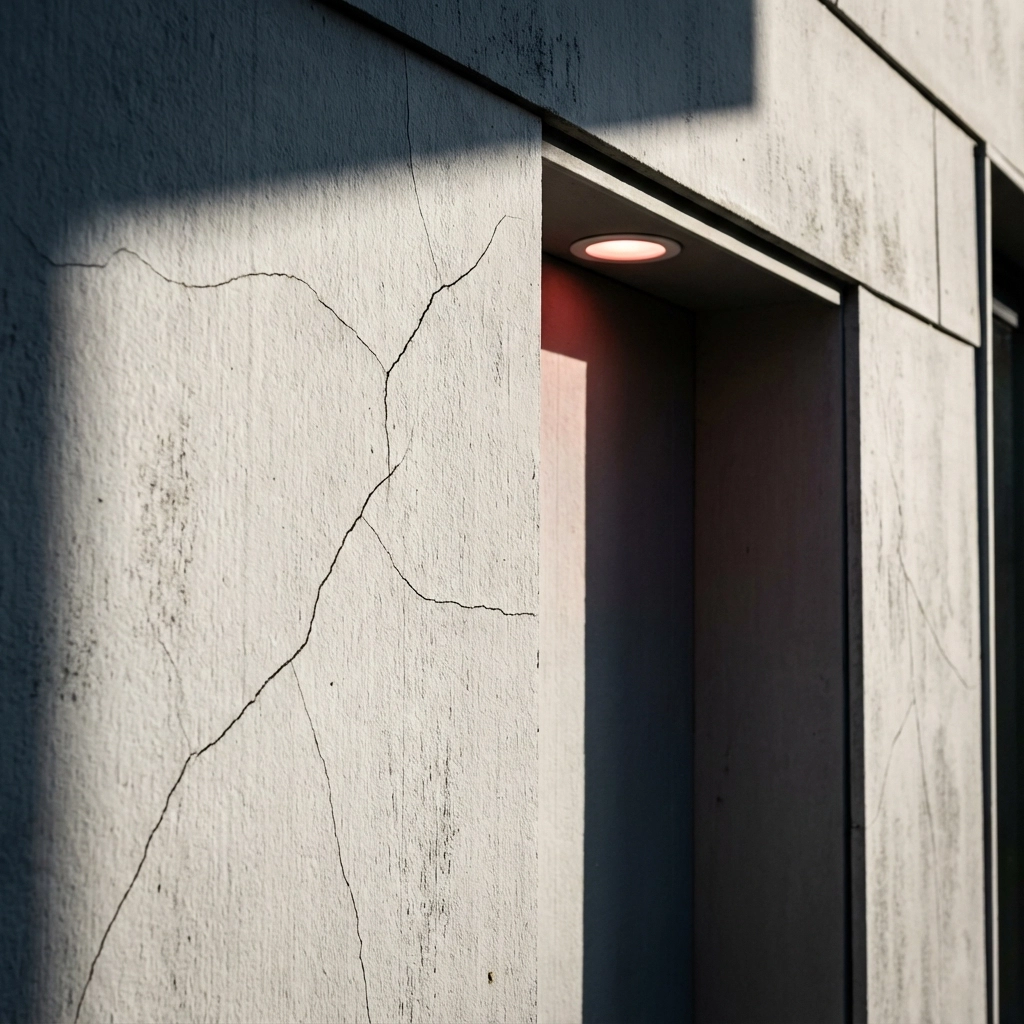
Take a walk around your house on a sunny afternoon. Do you see hairline cracks spreading across your siding like a spider web? Those small cracks might look harmless, but they're actually invitations for water, bugs, and cold air to make themselves at home in your walls.
In Chattanooga's climate, where we can go from 90-degree summer days to sudden storm fronts, your siding expands and contracts constantly. Over time, this creates stress fractures. What starts as a tiny crack can quickly become a major problem during our next heavy rainstorm.
2. You're Repainting More Often Than Your Neighbors
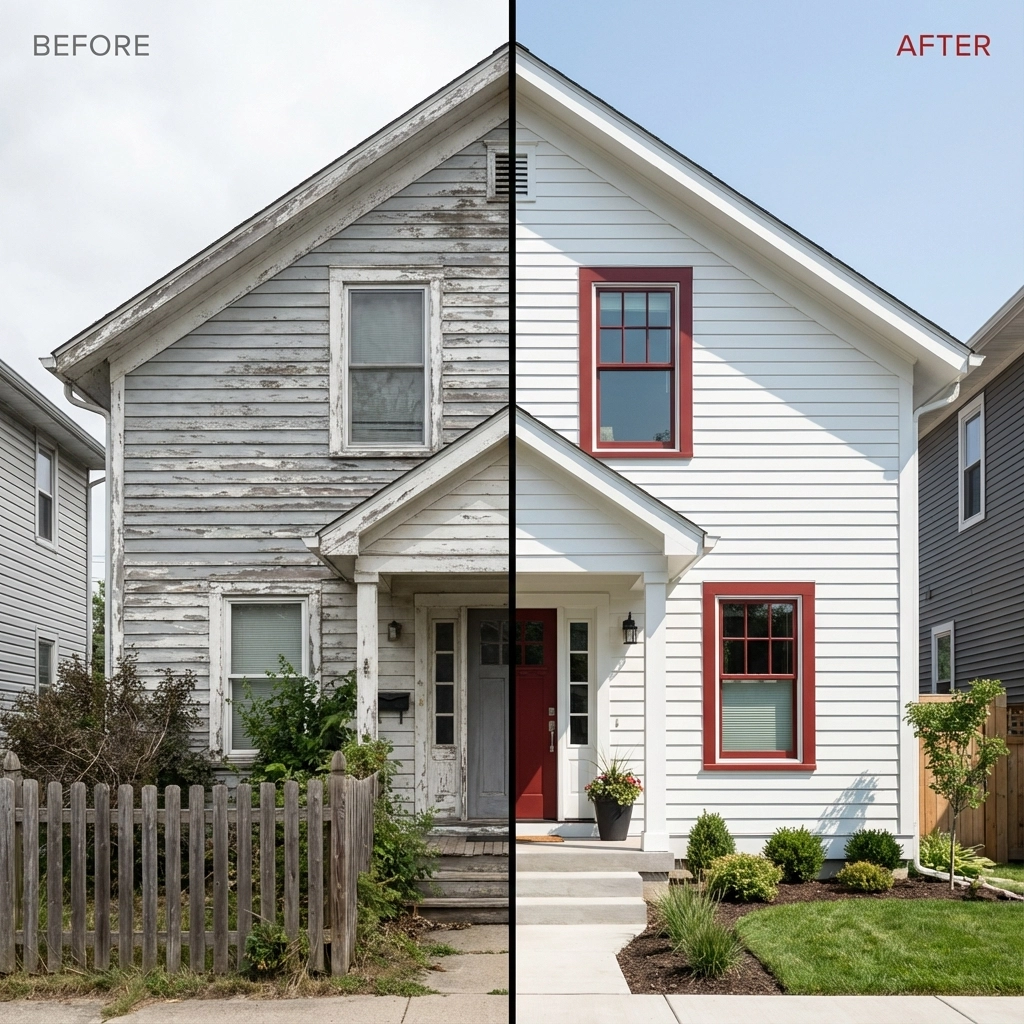
If you're touching up paint every couple of years while your neighbors seem to go a decade without a brush stroke, your siding is trying to tell you something. Quality siding should hold paint for 8-10 years minimum.
When wood or fiber cement siding starts failing, it can't hold paint properly anymore. The surface becomes chalky, paint chips off easily, and you find yourself constantly doing touch-ups. This isn't a paint problem: it's a siding problem.
3. Your Energy Bills Are Climbing (And It's Not Just Inflation)
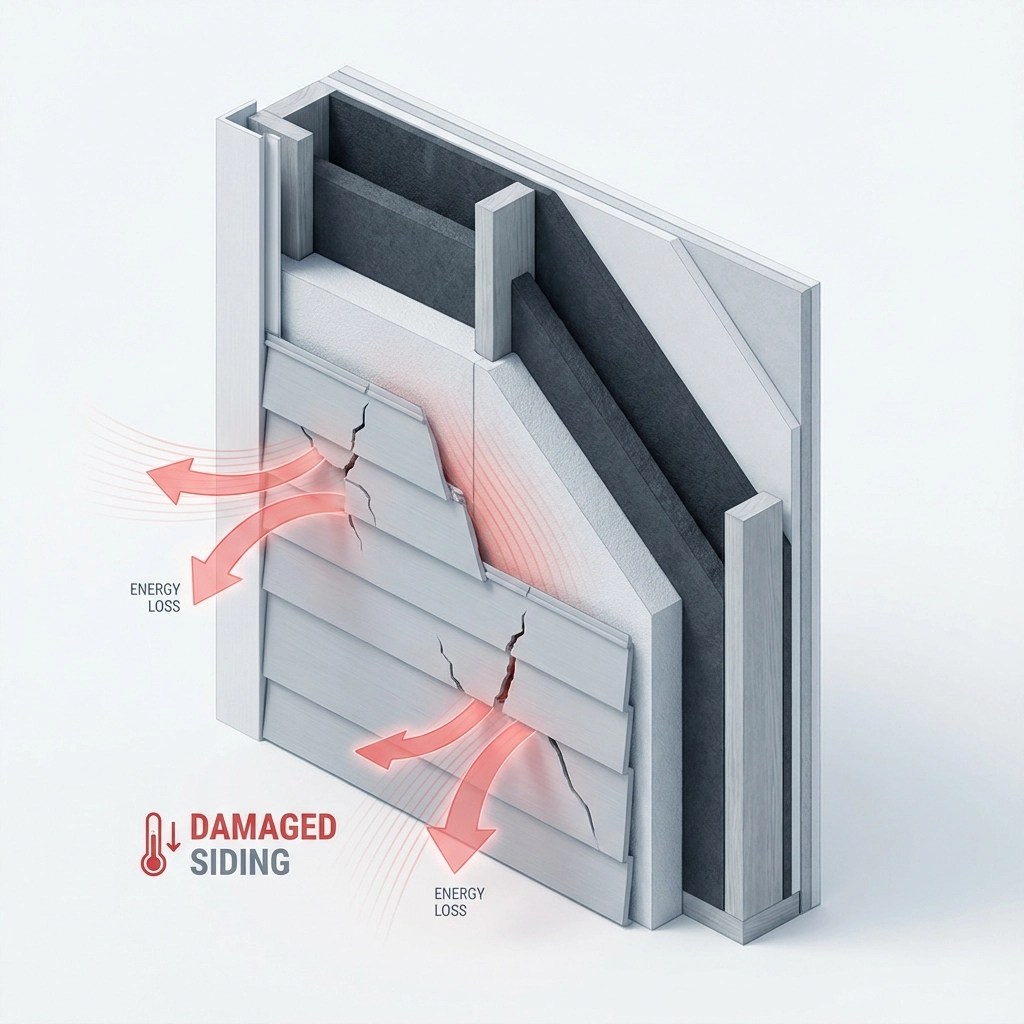
Have you noticed your heating and cooling costs creeping up over the past few years? Before you blame your HVAC system, consider your siding. Damaged or deteriorating siding creates tiny gaps and air leaks that make your home less energy-efficient.
In Chattanooga, where we run air conditioning from May through September and heating from November through March, those small gaps add up to big money. New siding with proper insulation can significantly reduce your energy costs. Chattanooga Exteriors can evaluate your exterior envelope and recommend insulated siding and proper housewrap details to help lower monthly bills.
4. Your Siding Looks Like It's Been Through a Color Wash Cycle
Significant fading isn't just an aesthetic issue: it's a sign that your siding's protective coating is breaking down. When fiber cement or wood siding starts looking washed out, chalky, or dramatically different from its original color, the material is becoming vulnerable to moisture and damage.
Chattanooga's intense summer sun can be particularly harsh on siding. If your home's south and west-facing sides look noticeably more faded than the rest, that's your siding waving a white flag.
5. You've Got Uninvited Guests (The Buzzing, Crawling Kind)
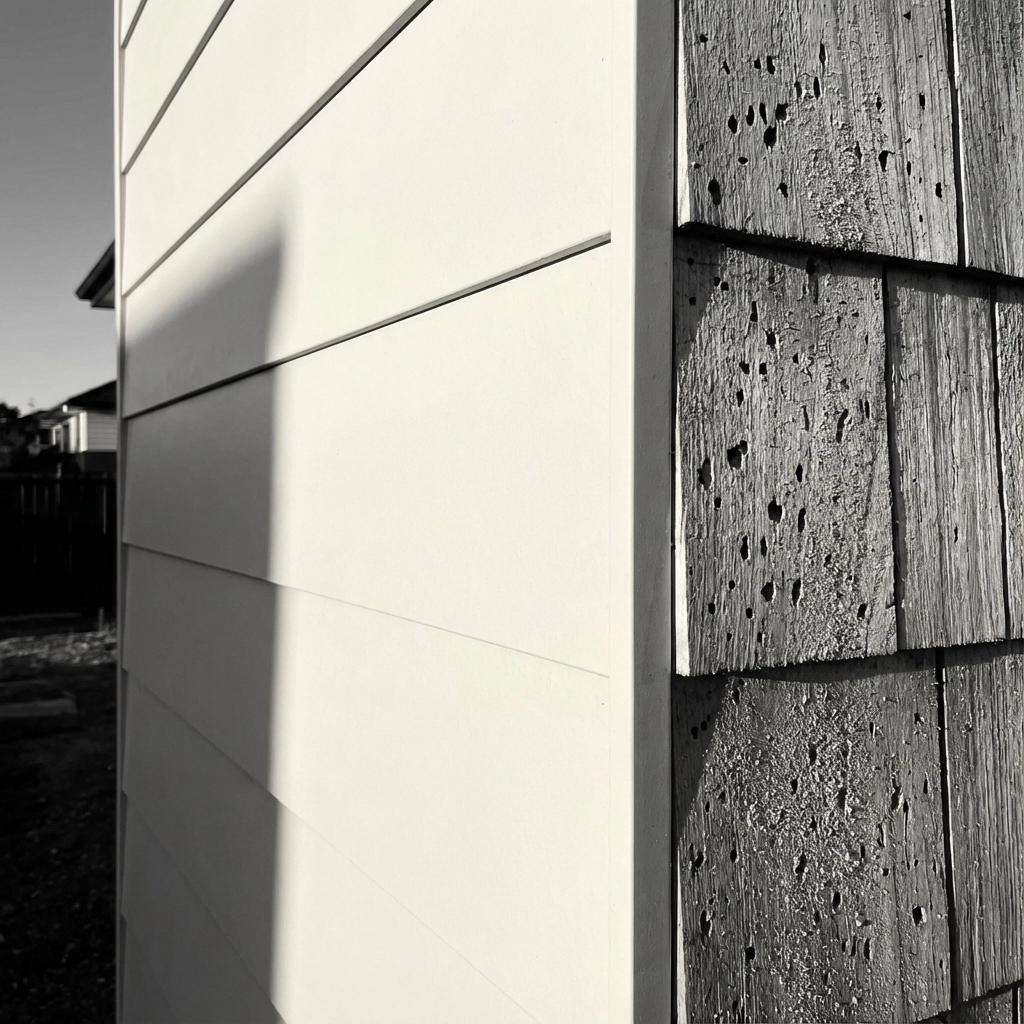
Finding carpenter ants, termites, or other pests around your home's exterior? Damaged siding often provides perfect entry points for unwanted visitors. Wood siding is especially vulnerable, but even damaged fiber cement can create gaps where insects can get in.
If you're seeing sawdust near your siding, small holes, or actual insects crawling around your exterior walls, it's time for a professional inspection. Chattanooga Exteriors can assess the damage, address moisture issues, and recommend durable materials that resist pests. Pest damage to siding often indicates underlying moisture problems too.
6. Your Interior Paint and Wallpaper Are Peeling
This might surprise you, but peeling paint or wallpaper inside your home can actually be a siding issue. When exterior siding fails, moisture gets into your walls. That trapped moisture has to go somewhere, and it often shows up as bubbling or peeling interior finishes.
If you've noticed this problem in rooms along your home's exterior walls, especially after heavy rains, your siding might be the culprit.
7. You're Seeing Green, Black, or Brown Streaks
Mold, mildew, and fungus on your siding aren't just unsightly: they're danger signs. These growths indicate that moisture is getting trapped behind or within your siding material. In Tennessee's humid climate, this can happen quickly once your siding's protective barrier is compromised.
Unlike surface dirt that can be pressure washed away, mold and mildew that keep coming back indicate a deeper problem with your siding's ability to shed water properly. Our Chattanooga Exteriors team can help you determine whether targeted repairs or full replacement is the right fix.
8. Your Siding is Pulling a Disappearing Act
Missing or loose boards are obvious red flags. Whether it's wood siding that's warped away from your house or fiber cement pieces that have fallen off entirely, gaps in your siding leave your home's structure exposed to the elements.
Even if the damage seems localized to one area, missing siding often indicates that the installation or underlying structure has issues that could affect other areas soon.
9. You Can Feel Drafts Near Exterior Walls
On a windy day, stand near your interior walls that face outside. Do you feel air movement? Can you hear the wind more clearly in certain rooms? These sensations often indicate that your siding isn't creating a proper seal anymore.
This is especially noticeable in older homes where the siding has started to warp, crack, or separate from the house. Those gaps let in air, moisture, and noise.
10. Your Siding is Old Enough to Vote
Most siding materials have a lifespan. Wood siding typically lasts 20-40 years depending on maintenance and local climate conditions. Fiber cement can last 50+ years, but even the best materials eventually wear out.
If your siding is approaching or has passed its expected lifespan, it's smart to start planning for replacement before you experience major problems. Proactive replacement is almost always less expensive than emergency repairs after damage has occurred.
The Value of Professional Eyes
While you can spot many of these signs yourself, a professional siding inspection can catch problems you might miss. Experienced contractors know how to look for subtle signs of damage, can assess the condition of materials behind your siding, and can help you understand whether repairs might buy you a few more years or if replacement is your most cost-effective option.
At Chattanooga Exteriors, we've seen homes where homeowners thought they needed complete siding replacement, but actually just needed targeted repairs. We've also seen cases where homeowners kept patching small problems, not realizing that full replacement would have saved them money in the long run.
Your Next Steps
If you're seeing multiple signs from this list, it's probably time to have a conversation with a siding professional. A good contractor like Chattanooga Exteriors will give you an honest assessment of your options and help you understand the investment involved in different solutions.
Remember, new siding isn't just about fixing problems: it's also an opportunity to improve your home's energy efficiency, boost curb appeal, and increase property value. In Chattanooga's competitive real estate market, quality siding can be a significant selling point. Chattanooga Exteriors installs top brands and offers design guidance to help you choose colors, profiles, and details with lasting curb appeal.
Don't wait until the next major storm to address siding issues. By then, you might be dealing with water damage, structural problems, or other expensive complications that could have been avoided with timely siding replacement.
Ready to get a professional opinion on your home's siding? Contact Chattanooga Exteriors for a thorough inspection and honest assessment of your options.
