
If you are researching siding Chattanooga homeowners can depend on, the first question is usually simple: What will it cost?
The honest answer is that siding replacement in Chattanooga typically costs between $3 and $12 per square foot installed, depending on the material, home layout, amount of trim, tear-off requirements, and hidden damage behind the existing siding.
For a typical home, that can mean anywhere from $5,000 to more than $20,000. That is a wide range: but it is also more useful than a misleading “starting at” price that leaves out half the project.
At Chattanooga Exteriors, we believe homeowners deserve to understand where their money goes before making a decision. These 2026 planning ranges are not a substitute for an on-site estimate, but they can help you compare options with confidence.
What Does Siding Cost in Chattanooga in 2026?
The following ranges represent typical installed costs, including siding materials and labor. Your actual wall area: not your home’s heated square footage: is what contractors use for pricing.
| Siding material | Typical installed cost per sq. ft. | Approximate whole-home cost* |
|---|---|---|
| Vinyl siding | $3–$8 | $5,000–$13,500 |
| Fiber cement siding | $6–$12 | $10,000–$20,000+ |
| Engineered wood siding | $6–$11 | $10,000–$19,000 |
| Premium or specialty systems | Varies | Custom quoted |
*Whole-home estimates assume approximately 1,700 square feet of siding area on a relatively straightforward home. A two-story house, large gables, extensive trim, or significant repairs can increase the total.
These ranges align with current regional cost guides from Modernize and broader siding cost references from Angi. They should be treated as budgeting guidance: not a promise or fixed bid.
1. Vinyl Siding: The Lower-Cost Starting Point
For homeowners searching vinyl siding Chattanooga TN, installed pricing commonly falls between $3 and $8 per square foot.
Vinyl is popular because it is lightweight, widely available, moisture-resistant, and generally less expensive to install. A simple, one-story ranch with basic profiles and limited trim may land near the lower end of the range.
But the cheapest vinyl is not always the best value in Chattanooga. Our summers can push temperatures into the 90s, and direct afternoon sun can make exterior walls feel like they have been sitting under a heat lamp. Lower-quality vinyl may fade, become brittle, or expand and contract noticeably if it is not installed correctly.
That does not make vinyl a bad choice. It means product quality, proper fastening, expansion allowances, and moisture management matter. A low quote that skips flashing or uses inadequate installation practices can become an expensive lesson later.
2. Fiber Cement: A Higher Upfront Investment With Long-Term Value
Fiber cement siding typically costs $6 to $12 per square foot installed, with some complex projects reaching beyond that range.
At Chattanooga Exteriors, we specialize in James Hardie fiber cement siding because it is well suited to the realities of our region. Chattanooga’s humidity, heavy rain, strong summer sun, and occasional storm-driven debris can be hard on an exterior. Fiber cement offers strong resistance to moisture, insects, warping, and everyday impact.
It also gives homeowners more design flexibility. You can choose from traditional lap siding, shingle accents, vertical panels, smooth finishes, and a broad range of colors. A 1980s exterior that once looked generic can become intentional and sophisticated without losing its connection to the neighborhood.
The initial price is higher than basic vinyl, but homeowners should also consider maintenance, appearance over time, and how often the material may need attention. The least expensive option today is not necessarily the least expensive option over the life of the home.
3. Engineered Wood: Natural Character With Maintenance Considerations
Engineered wood siding generally runs $6 to $11 per square foot installed.
It can offer the texture and warmth of traditional wood while improving resistance to moisture and insects. For a Craftsman-style home in Hixson, a farmhouse-inspired property in Ooltewah, or a mountain-facing home near Signal Mountain, engineered wood can create a natural, welcoming appearance.
However, Chattanooga’s climate requires realistic expectations. High humidity and frequent wet-dry cycles mean engineered wood still needs proper sealing, painting, caulking, and maintenance. If water repeatedly finds its way behind the siding, even attractive materials can begin waving a white flag.
The right choice depends on whether you value natural texture enough to accept more maintenance: or whether you prefer a lower-maintenance material designed to handle local conditions with less ongoing work.
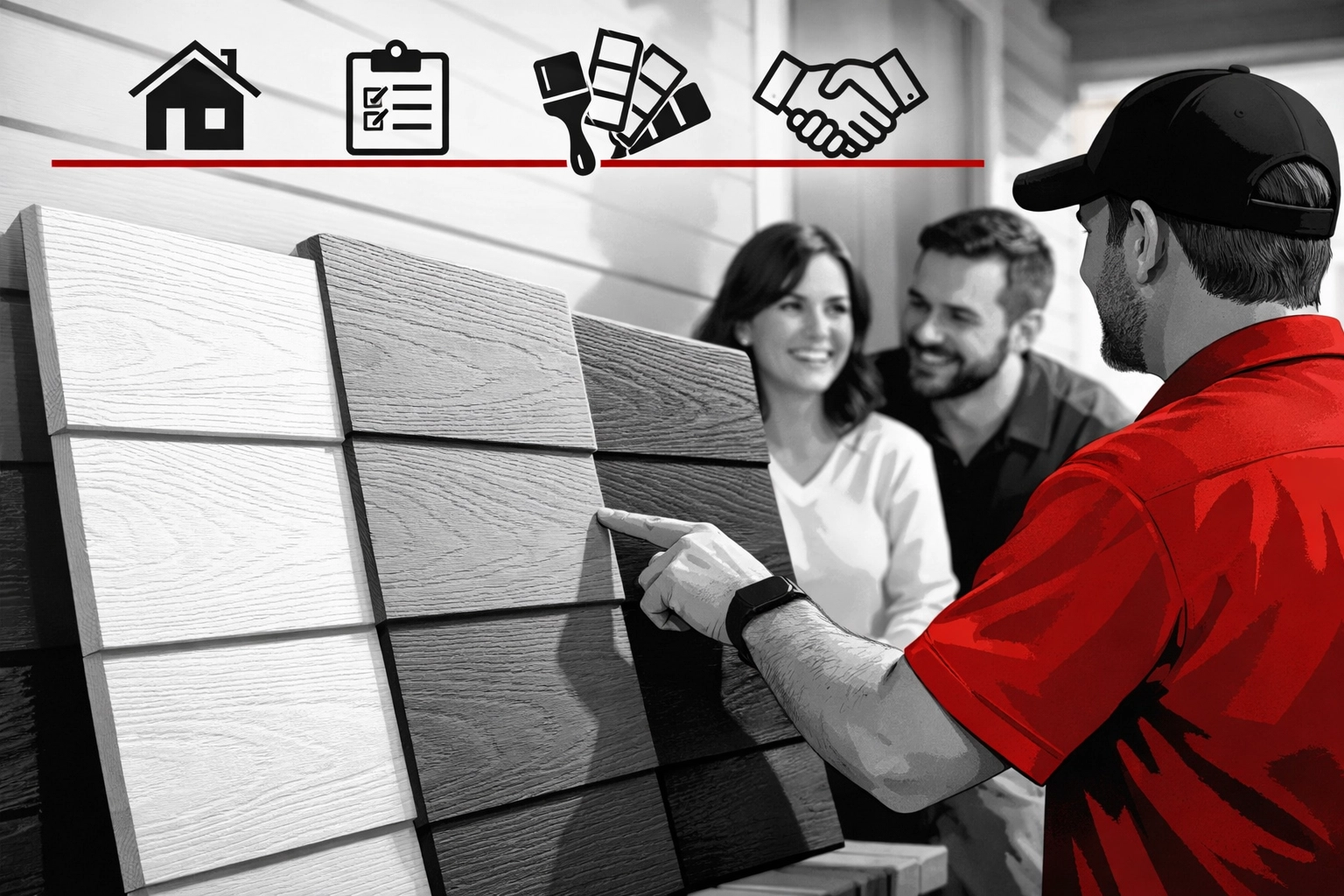
What Makes a Siding Project Cost More or Less?
Why can two homes of similar size receive very different siding estimates? The answer is usually in the details.
Home size and wall area
A 1,700-square-foot home does not necessarily have 1,700 square feet of siding. Contractors measure exterior wall surfaces, subtract openings, and account for waste and cuts.
A home with a large footprint may have more siding than a compact two-story house with the same interior square footage.
Number of stories and accessibility
A single-story ranch is typically easier and faster to work on than a two-story home with steep gables. Additional height can require more scaffolding, staging, safety equipment, and labor.
Homes on hillsides: especially in parts of Signal Mountain, Ringgold, or areas with difficult driveway access: may also require extra planning.
Trim, corners, gables, and architectural details
Siding is only part of the exterior. Corners, soffits, fascia, window trim, door trim, frieze boards, gable accents, and decorative elements all affect labor and material costs.
A simple rectangle is one thing. A home with multiple rooflines and detailed trim is another: and the estimate should reflect that honestly.
Tear-off and disposal of old siding
Installing new siding over an existing layer is not always appropriate. If the old material is damaged, loose, warped, or trapping moisture, removal may be necessary.
Tear-off adds labor, disposal fees, and time. It can also reveal the condition of the wall beneath, which leads to the next cost factor.
Sheathing damage, rot, and hidden repairs
Old siding can hide more than an outdated color. Once it comes off, contractors may find rotted sheathing, deteriorated framing, insect damage, or areas where water has been entering around windows and doors.
These repairs are not “extras” in the careless sense. They are part of protecting the structure before covering it with new materials. Ignoring them is like putting a fresh coat of paint over a leak and hoping the ceiling forgets.
Windows, doors, and flashing
If siding is being replaced around aging windows or doors, the project may reveal failed flashing or gaps around the openings. Correctly integrating these areas helps prevent wind-driven rain from reaching the wall assembly.
That is especially important during Chattanooga’s fast-moving summer thunderstorms, when rain can arrive sideways and expose weak points quickly.
How Chattanooga Weather Should Influence Your Material Choice
Chattanooga has hot, humid summers, frequent rain, strong sunlight, and storm exposure. Weather data from WeatherSpark reflects the seasonal heat and rainfall patterns homeowners experience across the area.
That climate affects siding in three important ways:
- Humidity: Moisture-resistant materials and correctly installed weather barriers help reduce the risk of rot, mold, and trapped water.
- Heat and sunlight: Dark or lower-quality materials may fade or expand more noticeably. Proper spacing and fastening are essential.
- Storms: Wind-driven rain, hail, and debris make flashing, secure installation, and durable materials important: not optional.
This is why we do not recommend choosing solely by the lowest price. A material that performs well in Chattanooga can protect your investment, reduce maintenance, improve curb appeal, and help your home feel more comfortable.
Is Siding Repair Better Than Replacement?
Sometimes a repair is the right answer. If damage is limited to a few panels, isolated impact marks, or a small area around a penetration, siding repair Chattanooga homeowners request may be more practical than a full replacement.
But repairs become less straightforward when the siding is faded, brittle, discontinued, or damaged across multiple elevations. Matching old material can be difficult, and repeated repairs may only postpone the larger project.
During an honest assessment, our team looks at the siding’s age, condition, moisture exposure, and repair history. The goal is not to sell a replacement when a repair makes sense. It is to help you make a confident decision.
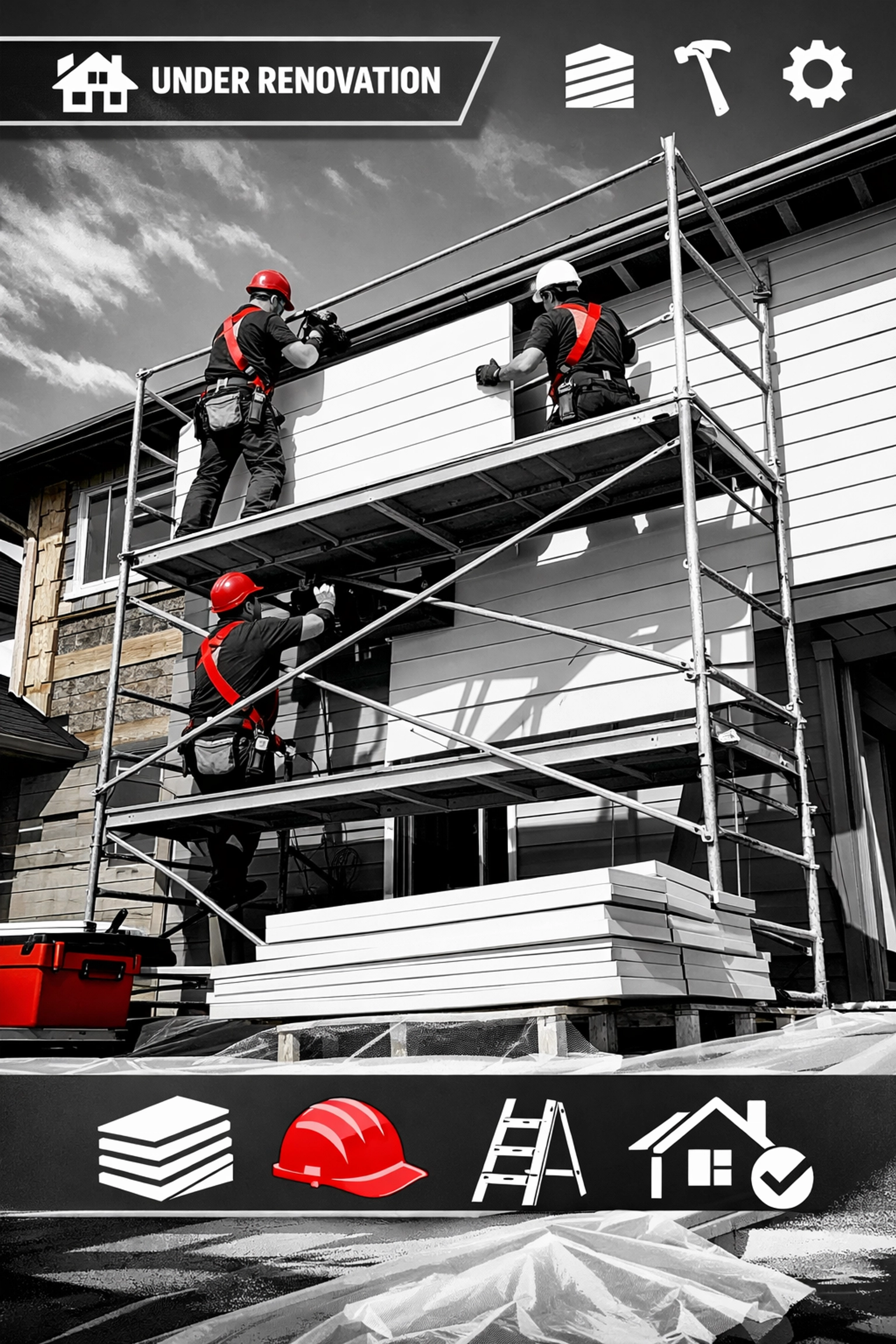
Chattanooga Exteriors’ Process Keeps Costs and Expectations Clear
A transparent price starts with a transparent process. Chattanooga Exteriors guides homeowners through eight steps:
- Pre-consultation: We discuss your goals and begin gathering project information.
- Initial consultation: A consultant meets with you to understand your home, priorities, and concerns.
- Custom proposal: We explain material options, recommendations, and budget considerations.
- 3D rendering: When requested, we create a project-specific rendering so you can visualize the finished exterior before work begins.
- Pre-construction meeting: We review the scope, selections, timeline, and expectations together.
- Daily walkthroughs: Your project manager monitors progress and quality throughout construction.
- Weekly updates and final quality walkthrough: You receive regular communication, followed by a detailed review when the work is complete.
- Post-project feedback: We follow up to confirm your satisfaction and learn from your experience.
If the upfront cost is a concern, Hearth financing options may help spread payments over time, subject to approval and program terms.
Our team has earned the “Best of the Best” award in Chattanooga and North Georgia for six consecutive years, along with a 4.9-star Google review standing. Those recognitions matter to us because they reflect the experience homeowners have throughout the project: not just the appearance of the finished siding.
The Bottom Line: A Fair Siding Price Should Tell the Whole Story
In 2026, a realistic Chattanooga siding budget is approximately:
- Vinyl: $5,000–$13,500 for a typical whole-home project
- Engineered wood: $10,000–$19,000
- Fiber cement: $10,000–$20,000 or more
Your final cost depends on the home: not a generic online calculator. Take a walk around your exterior. Look for cracked or buckled panels, chalky fading, soft trim, peeling paint, and areas where water may be entering. Have you noticed rising energy bills, drafts, or siding that looks old enough to vote? Those signs deserve a closer look.
Whether you live in Chattanooga, Cleveland, Signal Mountain, Ringgold, Ooltewah, or Hixson, Chattanooga Exteriors can provide a clear starting point.
Schedule a free consultation and honest assessment with our team. There is no pressure to choose the most expensive material: and no reason to wait for a small siding problem to become an emergency repair.