
If you're planning to upgrade your home's siding, you might be missing the bigger picture. New siding alone can certainly transform your home's appearance, but when you coordinate that upgrade with your windows and doors, you unlock serious energy savings and a seamless exterior that looks intentional: not pieced together.
For homeowners in Chattanooga and Knoxville, where summers bring humidity and winters can swing from mild to bitter cold, a complete exterior refresh isn't just about aesthetics. It's about creating a thermal envelope that keeps conditioned air inside and outdoor elements where they belong.
At Chattanooga Exteriors, we've seen firsthand how a coordinated approach to siding, windows, and doors delivers results that piecemeal projects simply can't match. Let's break down exactly how to integrate these elements for maximum energy efficiency and curb appeal.
Why a Coordinated Exterior Upgrade Makes Sense
When you replace your siding without addressing aging windows or drafty doors, you're essentially putting a new lid on a leaky container. Air infiltration doesn't just happen through walls: it sneaks in around window frames, beneath door thresholds, and through the tiny gaps where different materials meet.
A complete exterior upgrade allows contractors to:
- Install continuous weather barriers without interruption
- Properly flash and seal all transitions between materials
- Match trim profiles for a cohesive appearance
- Address hidden moisture damage before it becomes a bigger problem
The result? Lower energy bills, improved indoor comfort, and an exterior that looks like it was designed as a unified system rather than updated in stages.
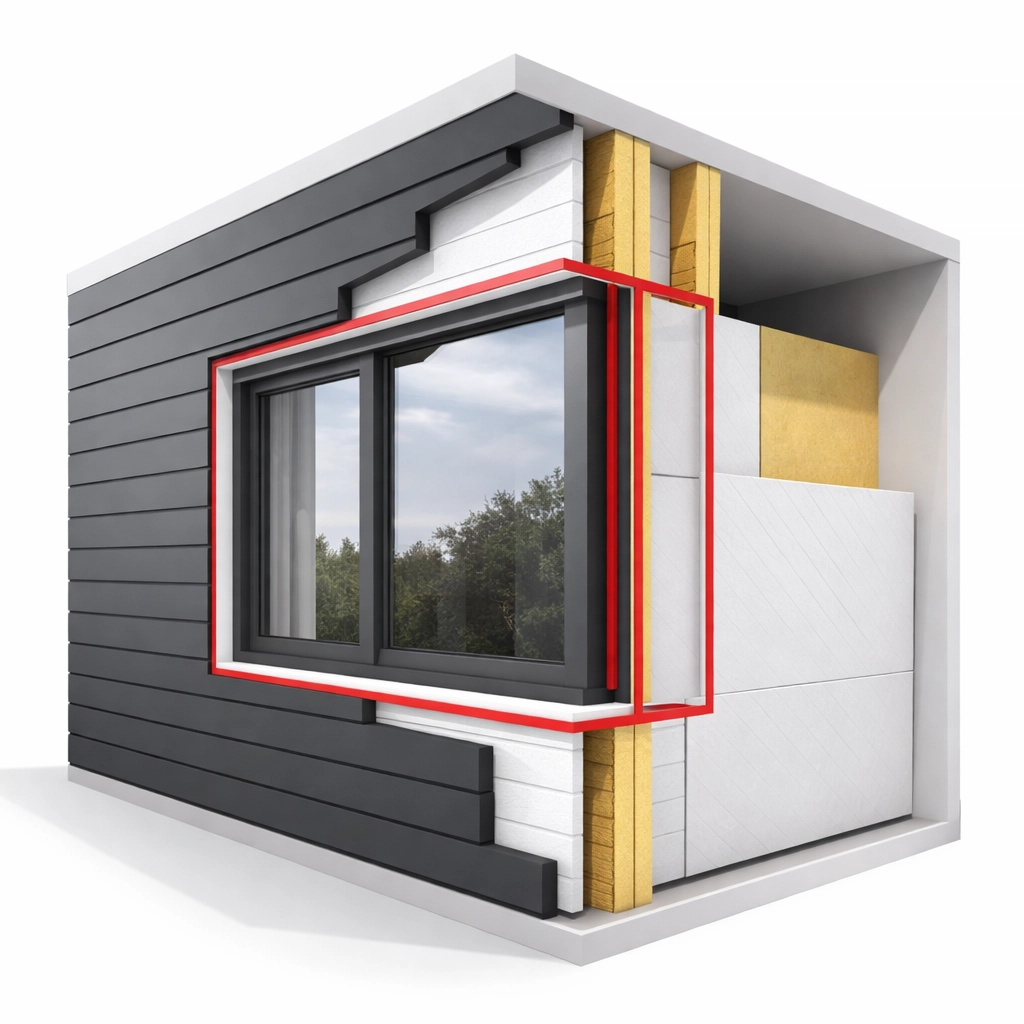
Starting With the Foundation: Weather Barriers and Underlayment
Before any siding goes up, the real work happens beneath the surface. A weather-resistant barrier: commonly called house wrap: serves as your home's first line of defense against moisture and air infiltration.
This layer wraps continuously around your home's exterior sheathing, with all seams taped to create an unbroken protective envelope. When Chattanooga Exteriors installs new siding, we pay close attention to this underlayment because it directly impacts your home's energy performance.
For maximum efficiency, consider pairing your weather barrier with insulated underlayment. This combination:
- Reduces thermal bridging (heat transfer through wall studs)
- Adds R-value to your wall assembly
- Minimizes drafts and temperature inconsistencies
- Provides year-round moisture protection
The key is ensuring this barrier integrates seamlessly with your window and door openings. That's where proper flashing and sealing techniques become critical.
The Critical Connection: Sealing Around Windows and Doors
Here's where most DIY projects and inexperienced contractors fall short. The transitions between siding and your windows and doors represent the trickiest: and most important: aspect of an energy-efficient installation.
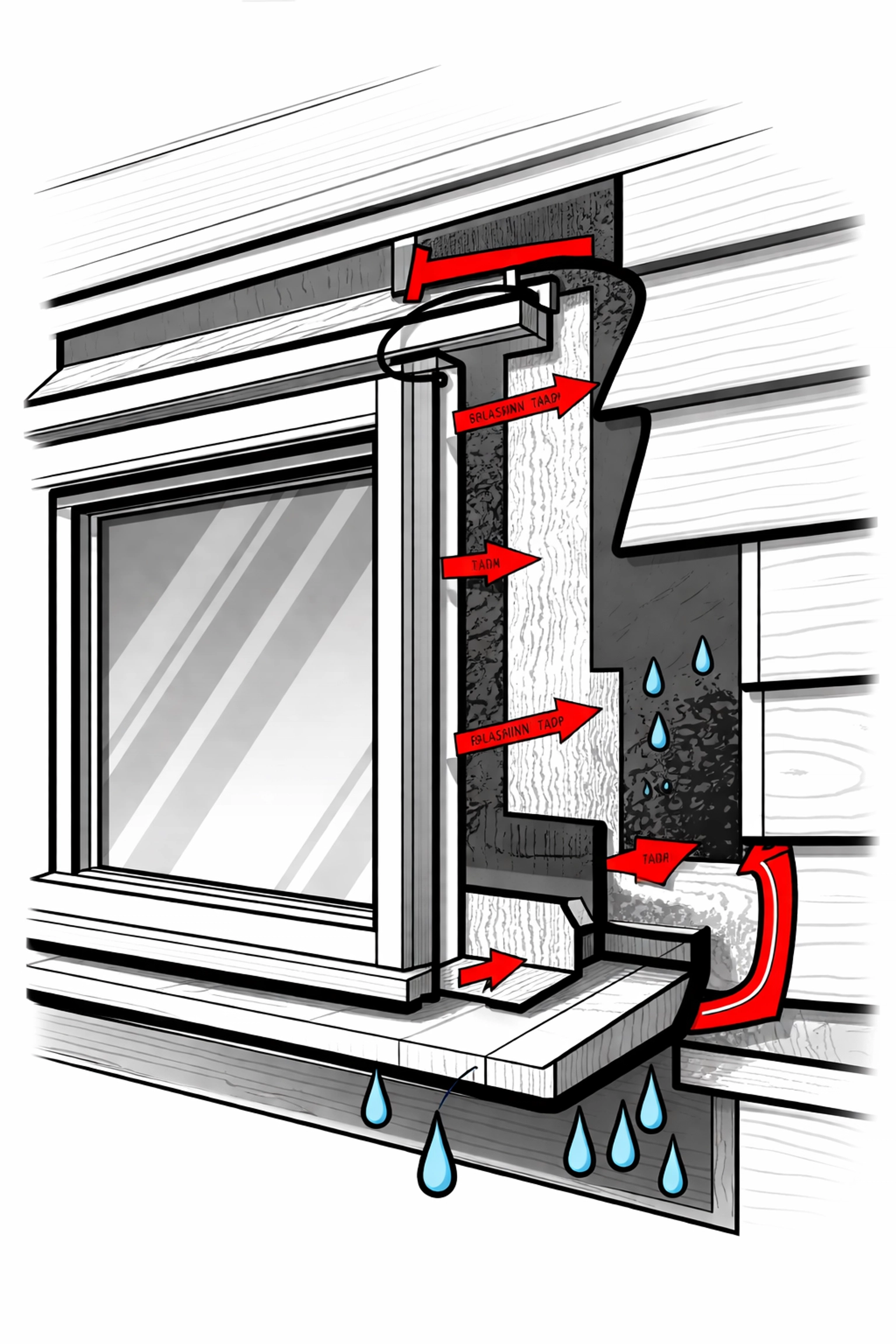
These openings are natural weak points in your home's thermal envelope. Without proper sealing, they become pathways for:
- Air infiltration that makes your HVAC system work overtime
- Water intrusion that leads to rot, mold, and structural damage
- Pest entry that nobody wants to deal with
Flashing Done Right
Flashing is the waterproof material installed around windows and doors to direct water away from vulnerable areas. Proper flashing installation follows a specific sequence: typically starting at the bottom and working up: to ensure water always flows outward and downward.
When you're replacing siding at the same time as windows or doors, your contractor can install flashing correctly from the start. Retrofitting flashing around existing windows after siding is already up? That's significantly more difficult and often less effective.
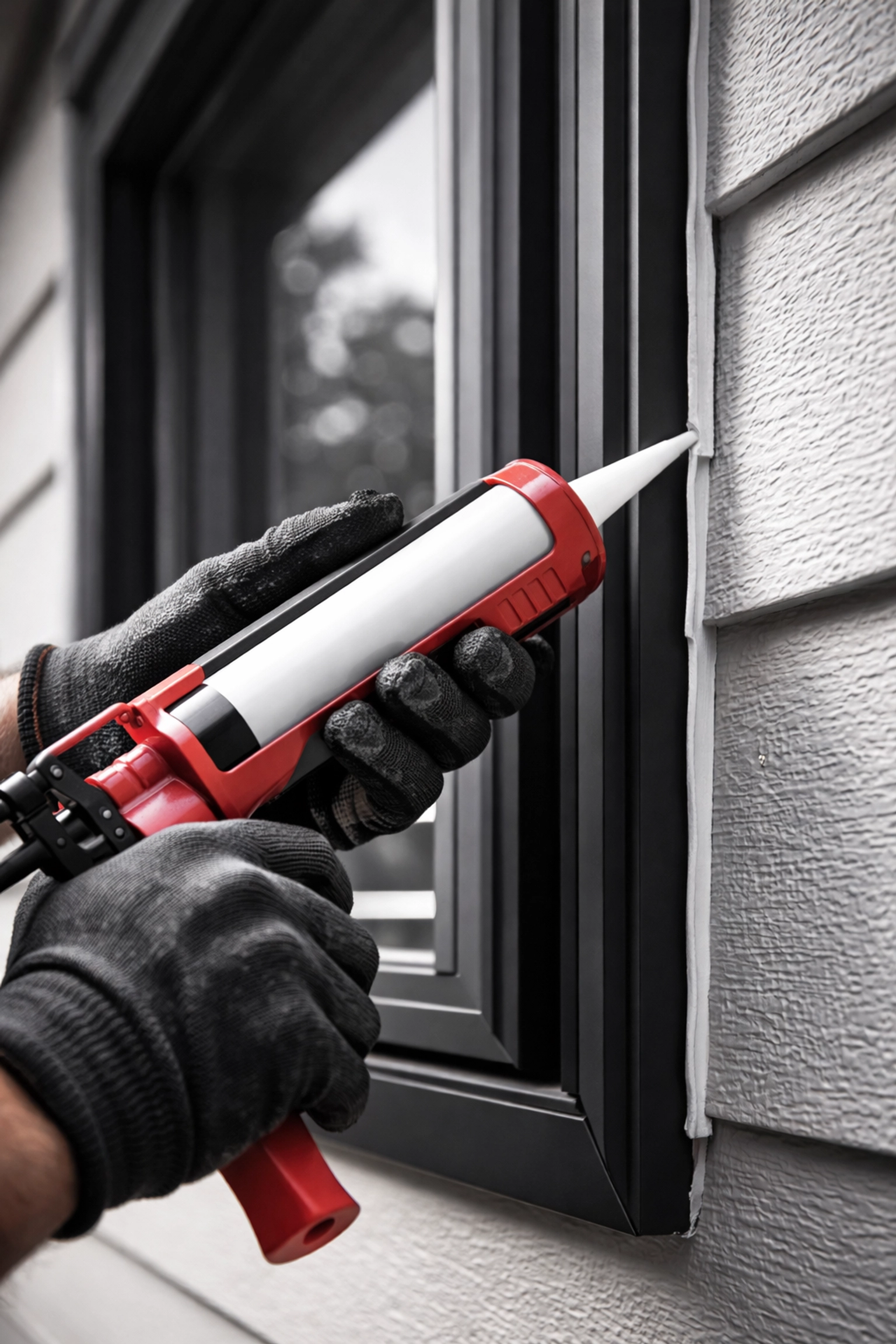
Caulking and Sealants
After flashing, high-quality exterior caulk seals any remaining gaps between your window or door frames and the surrounding siding. But not all caulks are created equal. Look for:
- Silicone or polyurethane-based sealants rated for exterior use
- Products that remain flexible after curing (to accommodate expansion and contraction)
- Paintable options if you want a seamless color match
At Chattanooga Exteriors, we use premium sealants designed for the temperature swings common in Tennessee and North Georgia. Cheap caulk might save a few dollars upfront but will crack and fail within a couple of years.
Choosing the Right Siding Materials
The siding material you select affects both energy efficiency and how well it integrates with windows and doors. For Chattanooga and Knoxville homeowners seeking durability and performance, fiber cement siding remains a top choice.
Fiber cement siding offers several advantages:
- Excellent dimensional stability (minimal expansion and contraction)
- Superior moisture resistance
- Non-combustible properties
- Long lifespan with proper maintenance
- Versatile styling options that complement any window or door design
James Hardie products, in particular, include integrated weather barrier systems that enhance air tightness throughout your home's exterior. When paired with energy-efficient windows and insulated doors, you're looking at a comprehensive upgrade that pays dividends for decades.
If you're still researching your options, check out our guide on finding the right siding company in Chattanooga to make sure you're asking the right questions.
Trim Installation: Where Form Meets Function
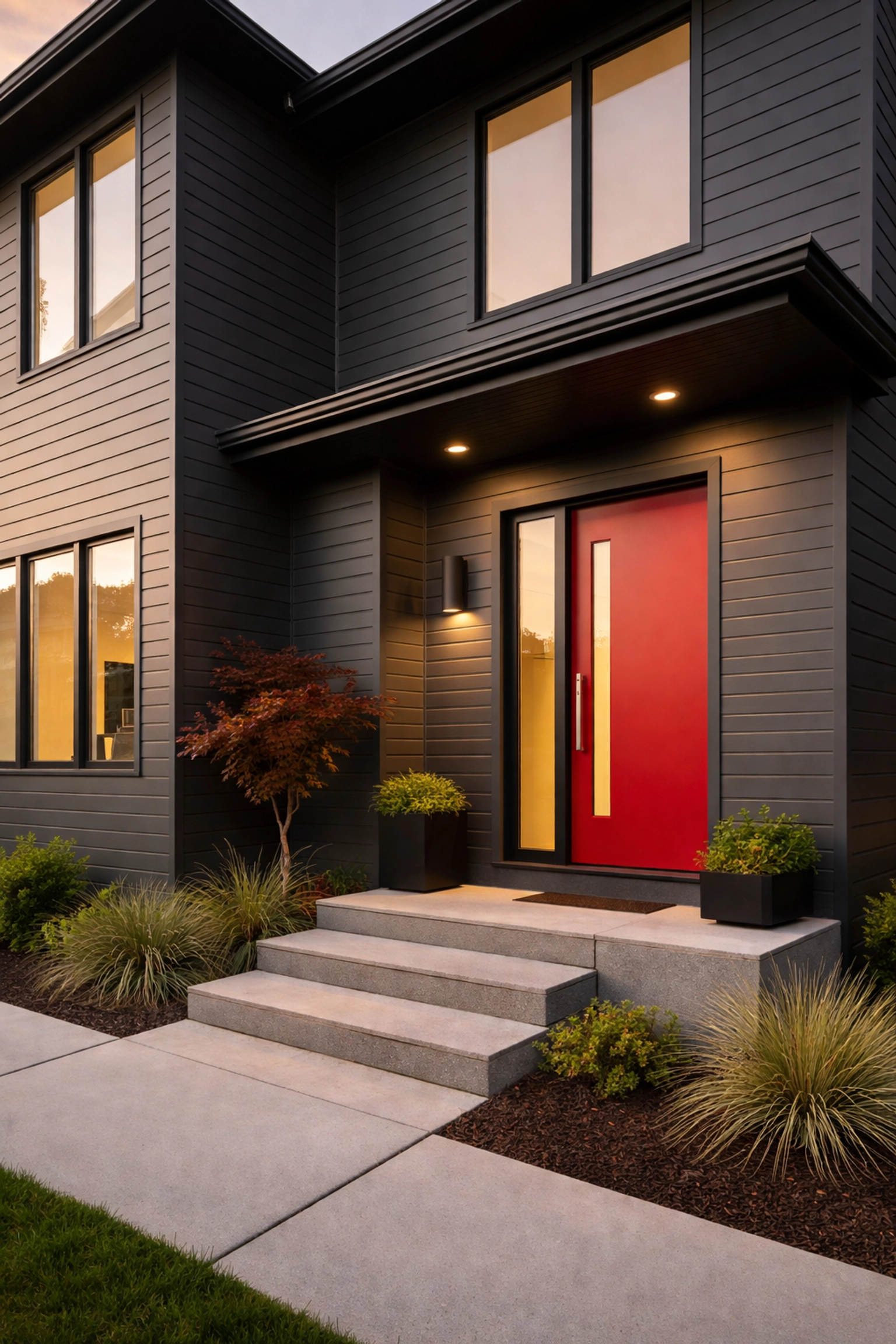
Trim isn't just decorative: it plays a crucial role in protecting transitions and directing water away from vulnerable areas. When installing new siding alongside window and door upgrades, coordinated trim creates:
- A finished, polished appearance that ties different elements together
- Functional water management that protects against moisture intrusion
- Consistent shadow lines and proportions across your entire exterior
Modern trim materials like cellular PVC or composite options resist rot and insects while holding paint longer than traditional wood. They also allow for tighter, more consistent installations around windows and doors.
The width and profile of your trim should complement your siding style and the architectural character of your home. A skilled contractor will help you select trim that enhances curb appeal while maximizing protection.
Accounting for Thermal Movement
All building materials expand and contract with temperature changes. In the Chattanooga area, where summer highs can exceed 90°F and winter lows dip into the 20s, this movement is significant.
Professional installation accounts for thermal expansion by:
- Leaving appropriate gaps between siding boards (typically 1/16" to 4/16" depending on installation temperature)
- Using fasteners that allow for movement without buckling
- Positioning joints to accommodate expansion without compromising water resistance
When siding, windows, and doors are all installed during the same project, your contractor can coordinate these allowances across all materials. This prevents the gaps, buckling, or binding that sometimes occurs when different elements are installed at different times by different crews.
The Energy Efficiency Payoff
So what kind of results can you expect from a coordinated exterior upgrade? Homeowners typically see:
- 10-25% reduction in heating and cooling costs depending on the age and condition of previous materials
- More consistent indoor temperatures with fewer hot spots and cold drafts
- Reduced HVAC wear since your system cycles less frequently
- Improved indoor air quality with less outdoor air infiltration
Beyond the monthly savings, an energy-efficient exterior adds value to your home. Buyers increasingly prioritize efficiency, and visible upgrades like new siding, windows, and doors make a strong impression during showings.
Why Professional Installation Matters
We've covered a lot of technical details: weather barriers, flashing sequences, thermal expansion, and sealant selection. This complexity is exactly why professional installation delivers better results than DIY or handyman-level work.
At Chattanooga Exteriors, our crews understand how these systems work together. We've completed hundreds of siding projects throughout the region, from Signal Mountain to Ooltewah and everywhere in between.
Professional installation ensures:
- Proper sequencing of weather barriers, flashing, and siding
- Correct sealant application at all critical transitions
- Consistent coverage that prevents thermal bridging
- Warranty protection on both materials and labor
Ready to Plan Your Complete Exterior Upgrade?
If you're considering new siding, don't overlook the opportunity to upgrade your windows and doors at the same time. The coordination benefits: better energy efficiency, superior water management, and cohesive curb appeal: make a complete project more valuable than the sum of its parts.
Chattanooga Exteriors serves homeowners throughout Chattanooga, Knoxville, and surrounding communities including Cleveland, Hixson, and Ringgold, GA. We offer free consultations to help you understand your options and plan an upgrade that fits your budget and goals.
Contact us today to schedule your consultation, or explore our financing options to make your complete exterior refresh more affordable than you might expect.