
Your home's siding is more than just curb appeal: it's your first line of defense against Tennessee's unpredictable weather. From sweltering summers to surprise ice storms, Chattanooga homes face unique challenges that can quietly damage siding over time. The good news? Smart homeowners who catch these warning signs early can save thousands in structural repairs down the road.
As we head into 2026, Chattanooga Exteriors is seeing more savvy homeowners take a proactive approach to siding maintenance. Rather than waiting for obvious damage, they're scheduling inspections and catching problems before they escalate. Here are the 10 telltale signs that it's time to consider siding replacement: and why acting now could be the smartest financial decision you make this year.
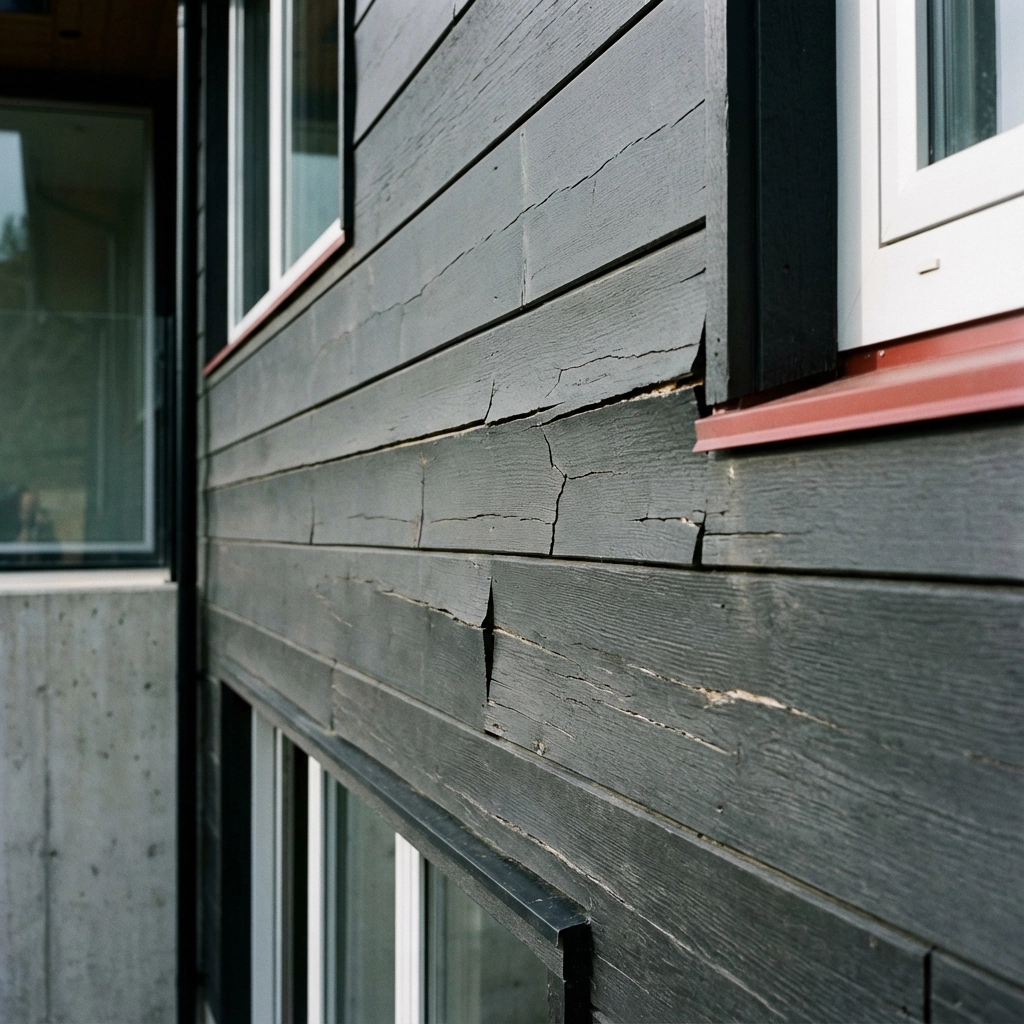
1. Visible Cracks or Splits in the Siding
Even hairline cracks are red flags. Tennessee's freeze-thaw cycles can turn small cracks into major problems within a single season. Water seeps in, expands when it freezes, and creates bigger splits that invite moisture damage.
What to look for: Run your hand along your siding panels. Any raised edges, visible splits, or areas where you can see separation between pieces need attention. Don't ignore cracks around windows and doors: these are prime spots for water infiltration.
The cost of waiting: Small cracks can lead to water damage behind your siding, potentially costing $3,000-$8,000 in structural repairs versus $200-$500 to replace affected panels early.
2. Fading, Chalking, or Peeling Paint
Your siding's color tells a story. Severe fading, chalky residue when you touch it, or paint that's peeling off in sheets indicates the protective coating has failed. This means your siding is vulnerable to moisture, UV damage, and temperature fluctuations.
The test: Wipe a dark cloth across your siding. If it picks up chalky residue, your siding's protection is compromised. Look for areas where the color has faded dramatically compared to protected areas under eaves.
3. Warped, Buckled, or Loose Panels
Siding should lie flat against your home. Panels that bow out, buckle, or have gaps indicate moisture problems or improper installation. In Chattanooga's humid climate, this often means water has gotten behind the siding and caused expansion.
Check this: Stand at different angles around your home and look for panels that don't align properly or cast shadows where they shouldn't. Loose panels that move when touched are especially concerning.
4. Interior Signs of Moisture Damage
Sometimes the first signs of siding failure show up inside your home. Water stains on interior walls, peeling paint near windows, or unexplained increases in humidity levels can all point to compromised siding.
Red flags indoors:
- Dark spots or stains on walls, especially near exterior walls
- Musty odors that seem to come from walls
- Wallpaper peeling near windows or doors
- Condensation between window panes
5. Higher Than Normal Energy Bills
Damaged or aging siding reduces your home's insulation efficiency. If your HVAC system is working overtime to maintain comfortable temperatures, compromised siding might be the culprit.
The connection: Chattanooga Exteriors often finds that homeowners see 15-20% reductions in energy costs after siding replacement, especially when upgrading to insulated vinyl or fiber cement options.
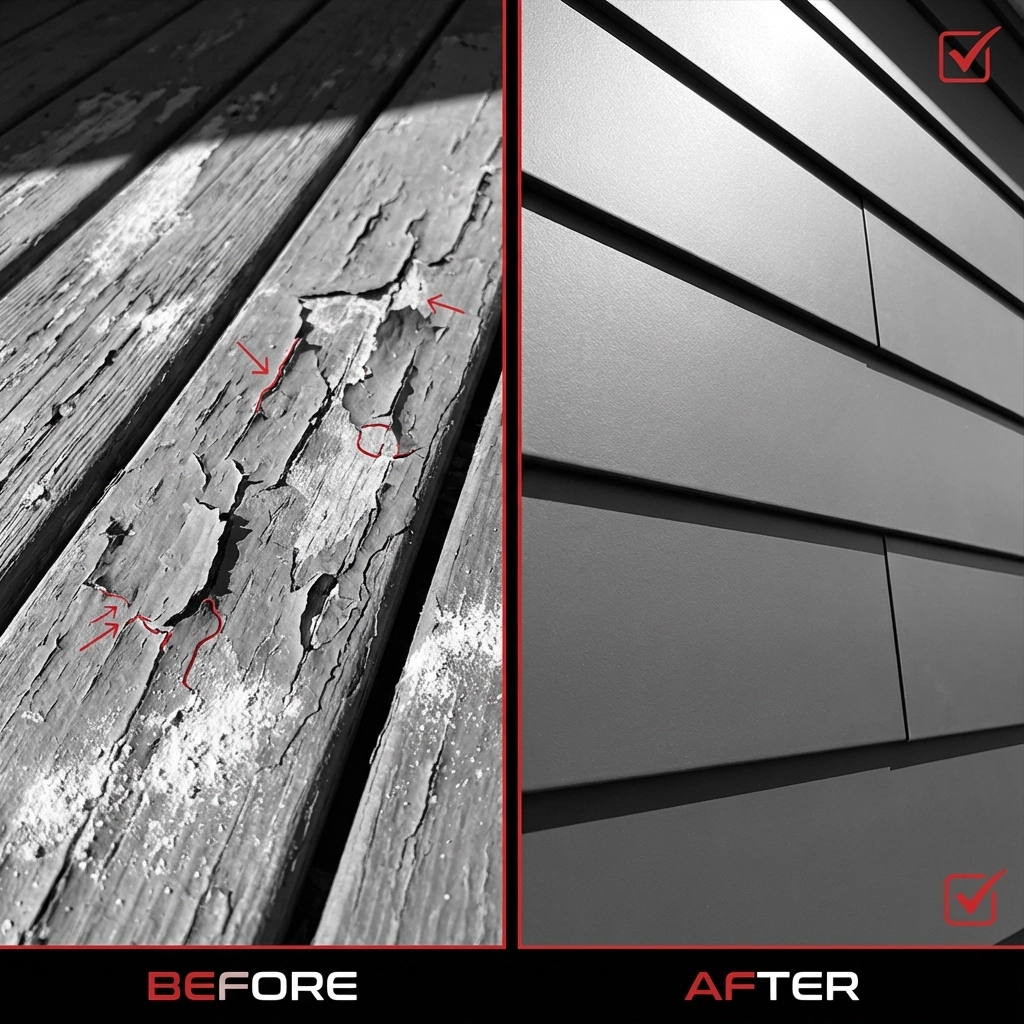
6. Pest Intrusion Problems
Gaps, holes, or loose siding create perfect entry points for insects, rodents, and other pests. If you're suddenly dealing with more ants, spiders, or hearing scratching sounds in walls, your siding might be compromised.
What attracts pests: Moisture trapped behind damaged siding creates the damp environment many pests love. Small gaps that seem harmless can become highways for insects.
7. Rotting Wood or Soft Spots
For homes with wood siding, soft spots that give when pressed are serious warning signs. Use a screwdriver to gently probe suspicious areas: if it sinks in easily, you've found rot.
Beyond wood siding: Even vinyl and aluminum siding can hide wood rot in underlying structures. Look for areas where siding seems to sag or pull away from the house.
8. Siding That's 20+ Years Old
Age alone doesn't mean immediate replacement, but older siding requires closer inspection. Most siding materials have predictable lifespans:
- Vinyl siding: 20-40 years depending on quality
- Wood siding: 20-30 years with proper maintenance
- Fiber cement: 30-50 years
- Aluminum siding: 25-40 years
The sweet spot: Chattanooga Exteriors recommends planning replacement in your siding's final 5 years rather than waiting for failure. This prevents emergency repairs and gives you time to choose the best materials and contractors.

9. Frequent Repainting or Touch-Up Needs
If you're repainting your home more often than every 8-10 years, or constantly touching up problem areas, your siding may not be holding paint properly. This often indicates surface degradation or moisture issues.
The cycle: Poor siding leads to frequent painting, which is expensive and time-consuming. Quality replacement siding can eliminate this cycle entirely.
10. Granules or Debris Around Your Home's Perimeter
Finding bits of siding material, paint chips, or unusual debris around your home's foundation suggests deteriorating siding. This is especially common with older composite or wood products.
What to look for: Walk around your home after storms or high winds. Excessive debris might indicate siding that's becoming brittle or losing its structural integrity.
The Smart Financial Move: Act Before Crisis Hits
Here's what makes Chattanooga homeowners truly smart about siding: they understand the mathematics of prevention. Emergency siding replacement during a crisis can cost 40-60% more than planned replacement. Plus, you have limited contractor availability and material choices when you're in crisis mode.
The numbers that matter:
- Planned siding replacement: $8,000-$15,000 for average Chattanooga home
- Emergency replacement after structural damage: $12,000-$25,000+
- Insurance typically covers storm damage but not gradual deterioration
Bonus benefits of early action:
- Access to seasonal discounts and promotions
- Better contractor availability and scheduling flexibility
- Time to research and choose the best materials for your climate
- Ability to coordinate with other exterior improvements
Why Chattanooga Exteriors Recommends the Proactive Approach
Chattanooga Exteriors has seen too many homeowners wait until small problems become major expenses. The families who fare best are those who schedule annual siding inspections and address issues while they're still manageable.
"We always tell our clients that siding replacement is an investment, not just an expense," says the Chattanooga Exteriors team. "When you catch problems early, you're protecting your home's structure and your family's financial future."
Ready to Get Your Siding Assessed?
Don't wait for obvious damage to make your decision. If you've spotted any of these warning signs, or if your siding is approaching the 20-year mark, now is the time for a professional assessment.
Chattanooga Exteriors offers comprehensive siding inspections that can help you understand exactly where you stand and what your options are. Whether you need minor repairs, strategic panel replacement, or full siding replacement, getting a professional opinion now puts you in control of the timeline and budget.
The smart homeowners are the ones who plan ahead. Is 2026 the year you join their ranks?