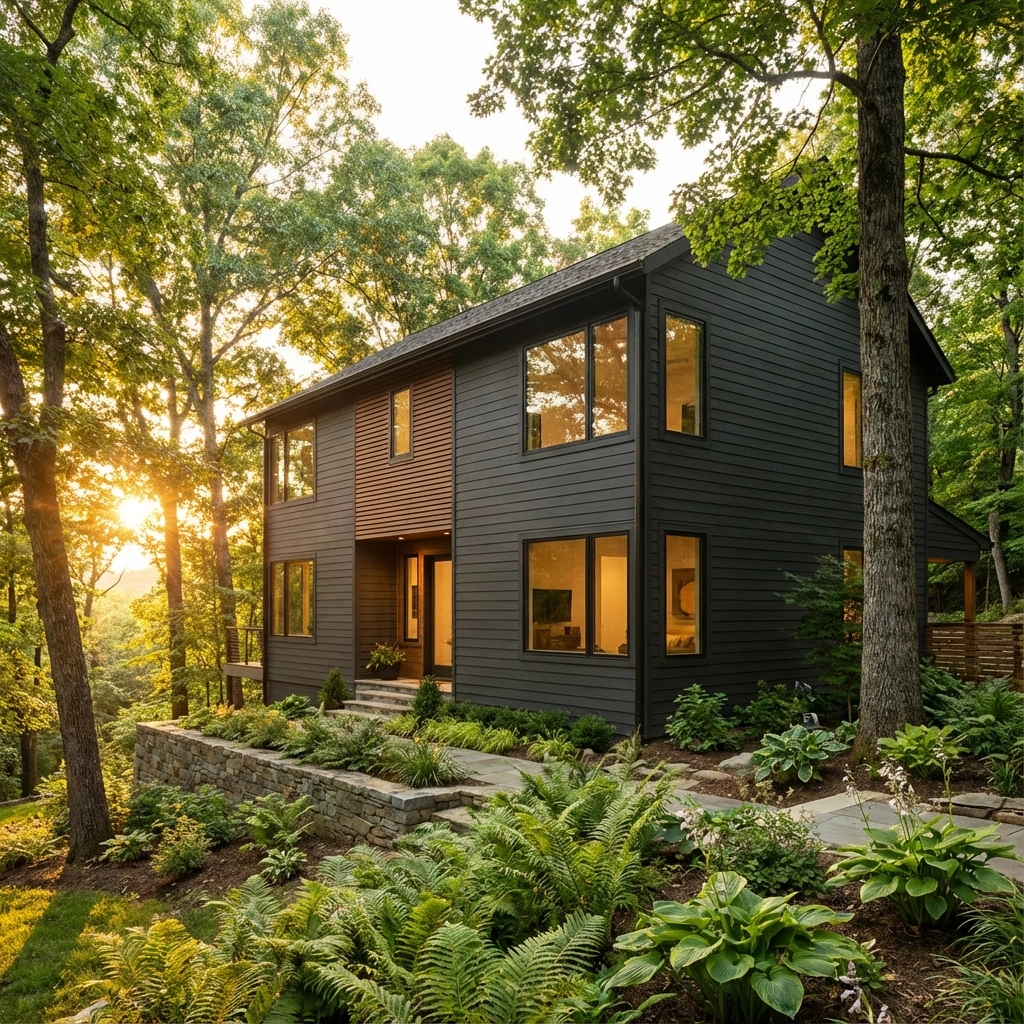
Let's be honest, you've probably driven through some of Chattanooga's most beautiful neighborhoods and noticed how stunning those deep charcoal and navy homes look. There's something undeniably sophisticated about dark siding that makes a house feel like a magazine cover rather than just another beige box on the block.
But here's the thing: for every gorgeous dark-sided home that makes you want to pull over and take photos, there's probably another one that's faded, warped, or looking downright tired after just a few Tennessee summers. So what's the difference? Why do some dark siding projects become neighborhood showstoppers while others turn into expensive mistakes?
After years of helping Chattanooga homeowners navigate this exact decision, I can tell you it all comes down to knowing what works in our specific climate, and what definitely doesn't.
Why Dark Siding Colors Are Having a Moment
Dark exterior colors aren't just trendy; they're transformative. Charcoal grays and deep navy blues create this incredible contrast against Tennessee's lush green landscape that lighter colors simply can't match. They make architectural details pop, they photograph beautifully, and they give homes this timeless, upscale feel that never goes out of style.
We're seeing more and more Chattanooga homeowners move away from the safe beiges and whites toward these bolder, more confident choices. And honestly? When done right, the results are stunning.
The challenge is that "when done right" part. Tennessee's climate can be brutal on dark exteriors, and choosing the wrong materials or skipping crucial protective measures can turn your dream home into a faded nightmare faster than you'd expect.
The Tennessee Heat Challenge: What You're Really Up Against
Here's what most homeowners don't realize about dark siding in Tennessee: it's not just about looking good on installation day. Our summers are intense, with prolonged periods of high heat and humidity that can push surface temperatures on dark siding well above 150°F.
Dark colors absorb significantly more heat than lighter ones, that's just physics. When that happens day after day, month after month, inferior materials start to show their true colors (literally). Cheap vinyl warps. Poor-quality coatings fade. Even some higher-end materials can struggle without the right protective measures.
But here's the good news: understanding these challenges means you can plan around them. The homes that look amazing year after year aren't lucky, they're built with materials and techniques specifically chosen for Tennessee's demanding climate.
Material Matters: Why Fiber Cement Wins for Dark Colors
If you're serious about dark siding that will look stunning for decades, not just seasons, fiber cement is your answer. At Chattanooga Exteriors, we've installed hundreds of dark siding projects, and the difference in long-term performance between fiber cement and other materials is dramatic.
Fiber cement is engineered to handle extreme temperature fluctuations without warping, cracking, or losing its shape. Unlike vinyl, which can become flexible and distorted in high heat, fiber cement maintains its structural integrity even when surface temperatures soar.
We've seen 15-year-old fiber cement installations in deep charcoal that still look as crisp and clean as the day they were installed. Try finding vinyl siding of the same age and color that can say the same.
The Vinyl Trap: Why It's Tempting (And Why You Should Resist)
I get it, vinyl siding costs less upfront, and those initial savings can be tempting. But when it comes to dark colors in Tennessee, vinyl is often a false economy that ends up costing more in the long run.
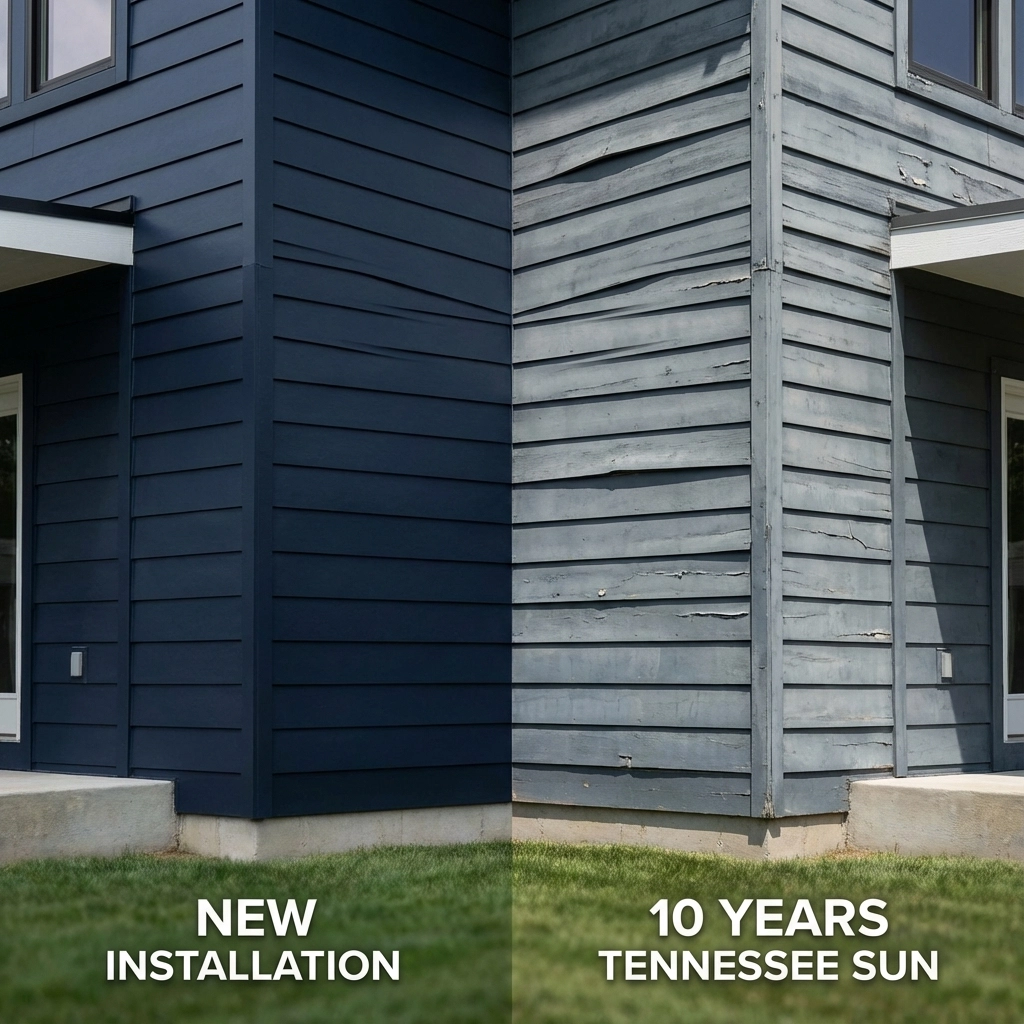
Dark vinyl siding faces a perfect storm of challenges in our climate. The material becomes more flexible as it heats up, leading to warping and buckling. The color formulations in many vinyl products aren't designed to withstand prolonged UV exposure without fading. And once vinyl starts to deteriorate, there's no fixing it, you're looking at complete replacement.
We've had too many calls from homeowners who went with dark vinyl to save money initially, only to find themselves facing full siding replacement within 7-10 years. That's not saving money, that's just deferring a bigger expense.
The UV Protection Game-Changer: Advanced Coating Technology
Here's where the magic really happens. The difference between dark siding that fades quickly and dark siding that maintains its rich color for decades often comes down to one thing: UV-protective coatings.
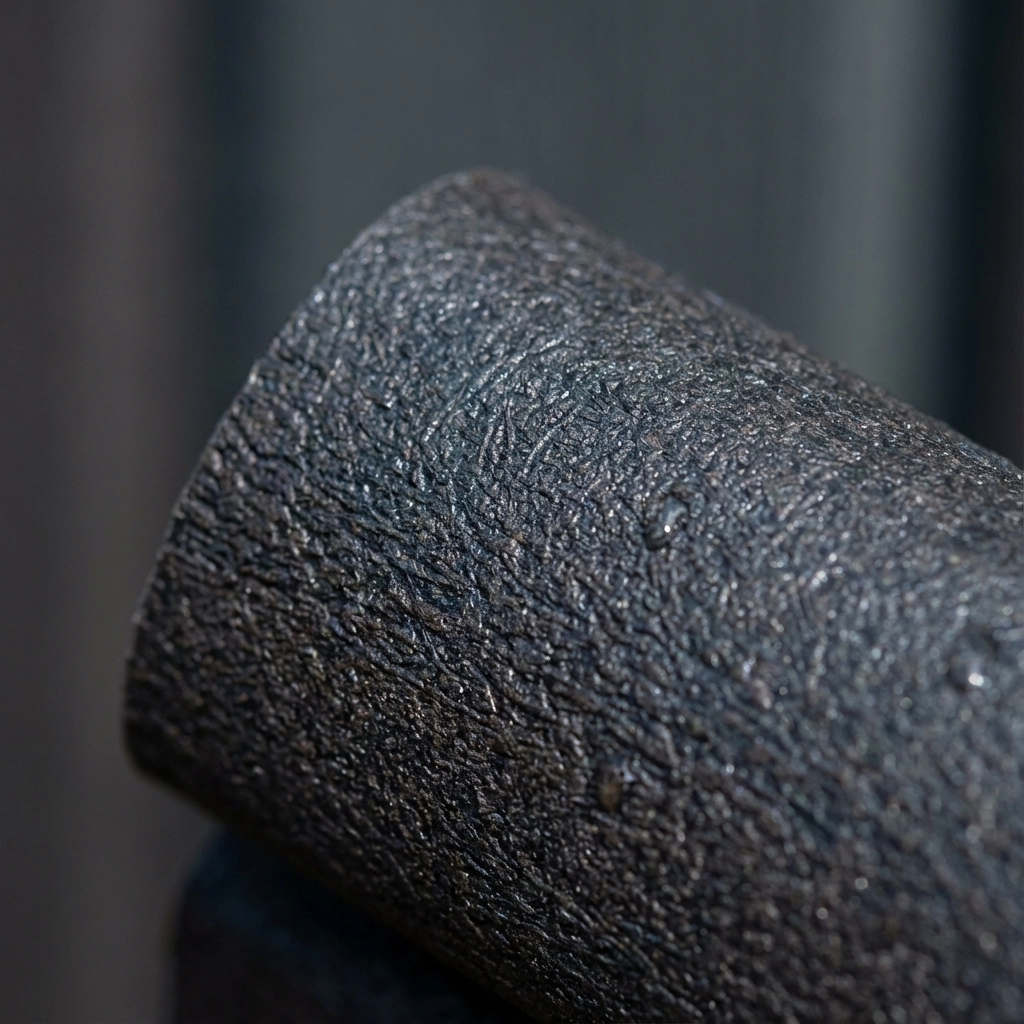
Look for siding with advanced coating systems like Kynar Aquatec. These aren't your basic paint finishes, they're engineered polymer systems designed to reflect UV radiation before it can break down the color molecules beneath.
The best coatings come with 25-year color protection warranties, which should tell you something about their confidence in the technology. At Chattanooga Exteriors, we won't install dark siding without proper UV protection because we know what happens when you skip this crucial step.

Managing Heat Absorption: Insulation and Ventilation Secrets
Even with the best materials and coatings, dark siding will absorb more heat than lighter colors. But that doesn't have to translate to higher cooling costs or uncomfortable indoor temperatures. The secret is proper insulation and ventilation design.
Continuous insulation wrapping is one of the most effective strategies. Think of it as creating a thermal barrier between the heated siding and your home's interior. This prevents absorbed heat from conducting through to your living spaces.
Proper ventilation behind the siding is equally important. When air can circulate freely between the siding and your home's structure, heat doesn't build up and become trapped. This keeps the siding itself cooler and prevents heat transfer into your home.
Color Selection Strategy: Not All Darks Are Created Equal
Within the "dark" category, your specific color choice makes a real difference. Deep charcoals with slight blue or green undertones tend to perform better in full sun than pure blacks. Rich navy blues often maintain their depth longer than darker purples or browns.
The key is choosing colors that are formulated specifically for exterior use in high-heat climates. These aren't the same pigments used in interior paints or even automotive applications, they're specifically engineered for building exteriors in challenging conditions.
At Chattanooga Exteriors, we work with manufacturers who test their dark color formulations in accelerated weathering chambers that simulate years of Tennessee sun exposure. This isn't guesswork, it's science-backed color selection.
The Investment Perspective: Why Quality Pays Off
Yes, doing dark siding right costs more upfront. Fiber cement is more expensive than vinyl. Premium UV coatings add to the initial investment. Proper insulation and ventilation require additional planning and materials.
But here's what we tell our clients: quality dark siding isn't an expense: it's an investment. Done correctly, it can dramatically boost your home's curb appeal and value while lasting for decades without major maintenance or replacement.
We've seen well-executed dark siding projects add $15,000-$25,000 to home values in Chattanooga's better neighborhoods. Compare that to the cost of replacing failed vinyl siding every 8-10 years, and the math becomes pretty clear.
Professional Installation: Where Experience Makes the Difference
Even the best materials and coatings won't perform as intended without proper installation. Dark siding is less forgiving than lighter colors: imperfections, gaps, and installation shortcuts become much more visible.
This is where working with experienced contractors like Chattanooga Exteriors becomes crucial. We understand the specific techniques needed for dark color installations, from proper moisture barriers to expansion allowances that prevent buckling as materials heat and cool.
We've also learned through experience which color and material combinations work best in different exposures around your home. South-facing walls need different considerations than north-facing ones. Areas with morning shade versus full afternoon sun require different approaches.
Making Your Decision: Dark Siding Success Checklist
If you're considering dark siding for your Chattanooga home, here's your success checklist:
Choose fiber cement over vinyl for longevity and heat resistance. Insist on premium UV-protective coatings with long-term warranties. Plan for proper insulation and ventilation systems. Select colors specifically formulated for high-heat climates. Work with contractors experienced in dark color installations.
Get multiple quotes, but don't make price your only consideration. The cheapest bid often becomes the most expensive choice when materials fail prematurely.
Dark siding can absolutely be a design win in Tennessee: we see gorgeous examples throughout Chattanooga every day. The key is understanding what it takes to make it work long-term in our climate, and making the investment in quality materials and installation that will keep your home looking stunning for years to come.
When done right, dark siding doesn't just change how your home looks: it changes how you feel about coming home every day. And that's worth getting right the first time.